

At Kapama Private Game Reserve, conservation is more than just a philosophy - it’s a way of life. Nestled in the heart of South Africa’s Limpopo province, Kapama’s 15,000 hectares of pristine wilderness offer a sanctuary not only for the iconic Big Five but also for countless other species of flora and fauna. Behind the scenes, a dedicated team works tirelessly to ensure this delicate ecosystem continues to thrive for future generations.
In this article, we take a closer look at Kapama’s conservation initiatives and the positive impact they are making on biodiversity, community development, and eco-tourism in the region.
Quick links:
- A Reserve with Purpose
- Wildlife Protection and Anti-Poaching
- The Role of Research and Monitoring
- Community Involvement and Education
- Sustainable Tourism
- Looking to the Future
- Visit Kapama: Where Conservation Meets Luxury
A Reserve with Purpose
Kapama has always been driven by a deep sense of responsibility to protect its natural surroundings. Over the years, what began as a family-run cattle farm transformed into one of the largest privately owned game reserves in the country, with conservation at its core.
Through sustainable land management and anti-poaching strategies, Kapama has created a safe haven for a vast array of wildlife species. Indigenous vegetation has been restored, and animal populations that once faced local extinction now roam freely again.
Wildlife Protection and Anti-Poaching
Protecting wildlife from illegal poaching activities remains a constant challenge in the Greater Kruger area. Kapama has developed a dedicated Anti-Poaching Unit (APU) to patrol the reserve 24/7. The team employs state-of-the-art surveillance technology, including drone monitoring and camera traps, to detect and deter any suspicious activity.
Collaboration with local law enforcement and neighboring reserves strengthens this effort, ensuring a united front against poaching and wildlife trafficking.

The Role of Research and Monitoring
Scientific research plays a vital role in Kapama’s conservation strategy. The reserve actively supports biodiversity monitoring programs, from tracking predator populations to assessing habitat changes. These efforts not only help to maintain ecological balance but also contribute to broader conservation knowledge.
Kapama’s guides and assistant guides also play an essential role, reporting daily sightings and behaviours to help identify patterns and detect changes in animal health or movement.
Community Involvement and Education
Kapama believes that conservation should empower people. Kapama focuses on uplifting local communities through educational initiatives, skills development, and health programs. By fostering a culture of environmental awareness and offering career opportunities in conservation and hospitality, Kapama builds a strong connection between the reserve and the surrounding villages.
Part of these efforts include working with Makwetse School, through a partnership with EcoChildren, to educate children on the importance of wildlife and ecosystems, planting the seeds of conservation in the next generation.

Sustainable Tourism
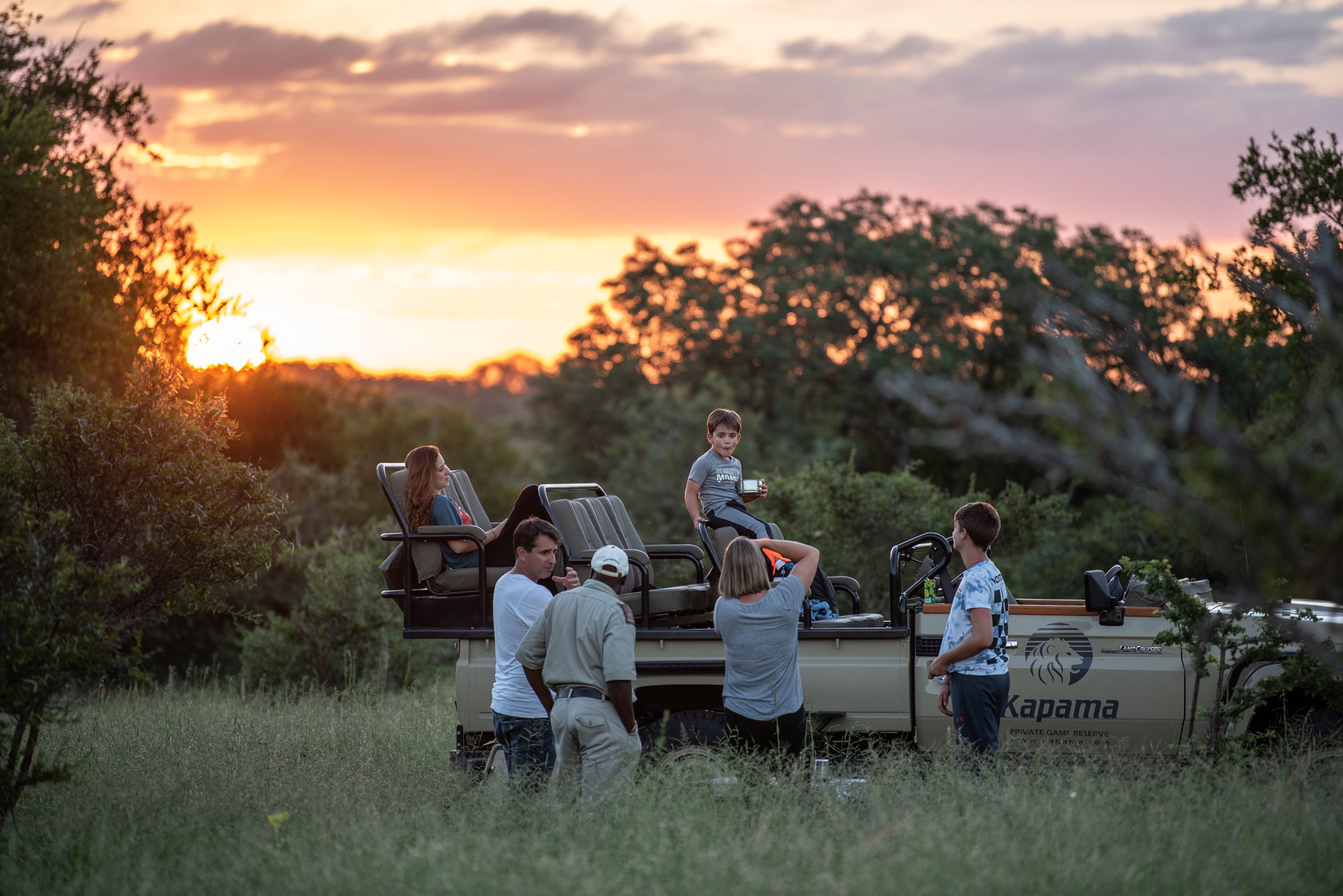
Every guest at Kapama contributes to its conservation mission. The reserve practices low-impact, sustainable tourism, ensuring that game drives, walking safaris, and lodge operations are conducted with minimal disturbance to the environment.
All four luxury lodges - Kapama River Lodge, Southern Camp, Buffalo Camp, and Karula - operate with eco-conscious systems, from waste management to water conservation and locally sourced cuisine.
Looking to the Future
Kapama continues to explore new ways to expand and enhance its conservation programs. Whether it’s by introducing new wildlife corridors, investing in renewable energy, or supporting wildlife rehabilitation efforts, the reserve remains committed to preserving South Africa’s natural heritage.
Visit Kapama: Where Conservation Meets Luxury
By choosing to stay at Kapama, you’re not just experiencing an unforgettable safari - you’re becoming part of a much larger story. A story of hope, resilience, and the unwavering commitment to protecting the wild.
Learn more about Kapama’s conservation work and plan your visit at kapama.com.